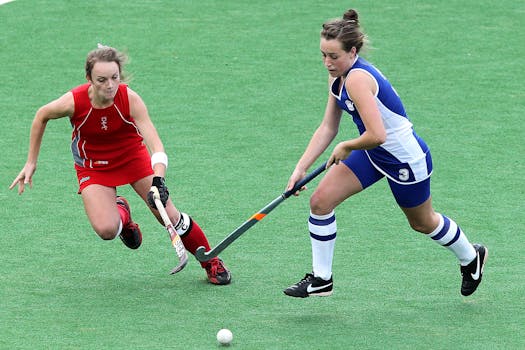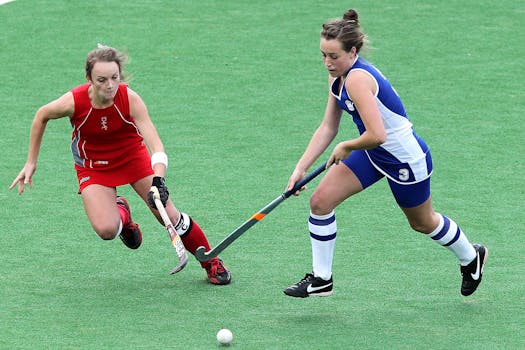
Field hockey is a sport defined by swift decisions, intricate strategies, and team synergy. At competitive levels, teams look for every possible edge—and one of the most potent is the ability to analyze opponents effectively. Understanding your adversary’s tactics, strengths, and weaknesses can be the difference between victory and defeat. But how do coaches, analysts, and players break down their rivals? What tools and techniques are now available to give teams that all-important strategic insight? In this in-depth guide, we’ll explore the modern landscape of opponent analysis in field hockey, from old-school observation to cutting-edge digital solutions.
The Importance of Opponent Analysis in Field Hockey
In field hockey, preparation doesn’t end at perfecting your own skills. Knowing your opponent’s habits, patterns, and favorite plays can allow you to anticipate their moves and counteract their strategy. According to a 2023 survey by the International Hockey Federation (FIH), over 78% of top-tier coaches reported that structured opponent analysis contributed directly to game outcomes.
Opponent analysis serves several crucial purposes:
- Identifying key players and their roles - Recognizing formation and tactical preferences - Spotting recurring set pieces and penalty corner routines - Detecting weaknesses or tendencies under pressureTeams that invest in structured analysis keep their players mentally prepared and adaptable. For example, the Belgian men’s national team, world champions in 2018, credited their detailed video breakdowns and opponent scouting as a key driver of their tactical flexibility.
Traditional Tools and Techniques for Opponent Analysis
Before the digital age, coaches relied on tried-and-true methods to gain insights into their rivals. These “analog” techniques still form the backbone of good analysis, especially at the grassroots and amateur levels.
Direct Observation: Watching opponents play live remains invaluable. Coaches and scouts attend rival matches, taking notes on formations, substitutions, and standout players. Observational sheets and handwritten diagrams are still widely used.
Notational Analysis: This involves recording specific actions (e.g., passes, tackles, shots) in a systematic way during a match. By tallying these actions, analysts can see which areas of the field are most used, or which players are most involved in key plays.
Player Interviews and Debriefs: Players with prior experience against an opponent can provide unique perspectives. Group debriefs after a match often highlight subtle nuances that might escape video or statistical analysis.
Video Recording: Even before sophisticated software, basic camcorder footage allowed teams to review matches, freeze frames, and discuss tactical moments in team meetings.
While these approaches require substantial time and effort, they lay the groundwork for more advanced opponent analysis.
Modern Digital Tools Revolutionizing Opponent Analysis
The last decade has seen an explosion of digital tools in field hockey, making opponent analysis faster, deeper, and more accessible. Here are the most influential innovations:
Video Analysis Software: Platforms like Hudl Sportscode, Dartfish, and Longomatch allow coaches to tag key moments, create highlight reels, and share breakdowns with players. According to Hudl, over 10,000 sports organizations worldwide use their platform for performance analysis.
GPS and Player Tracking: Wearable GPS units (e.g., Catapult, STATSports) measure player movement, speed, and work rates. By comparing running patterns and heat maps, analysts can spot where opponents are most dangerous or vulnerable.
Data Analytics Dashboards: Custom dashboards aggregate statistics like possession, circle entries, turnovers, and penalty corners. Teams can compare their own performance metrics directly against opponents.
Cloud-Based Video Libraries: Teams now build searchable databases of matches. For example, the Dutch national teams maintain archives of every opponent’s last 10 matches, enabling instant access for pre-game preparation.
Comparison Table: Traditional vs. Digital Analysis Tools
| Method | Traditional Approach | Digital Approach |
|---|---|---|
| Data Collection | Manual notes, observation, tally charts | Automated tagging, GPS tracking |
| Video Analysis | Basic camcorder review | Software with tagging, slow-motion, sharing |
| Reporting | Handwritten or printed reports | Interactive dashboards, mobile sharing |
| Accessibility | Limited to in-person meetings | Cloud-based, remote access |
| Depth of Analysis | Subjective, less granular | Objective, data-rich, granular insights |
Key Techniques for Breaking Down Opponent Play
Regardless of the tools used, the effectiveness of opponent analysis often depends on the techniques applied. Here are proven methods that top teams employ:
Pattern Recognition: Analysts review multiple matches to identify recurring team behaviors. For instance, some teams consistently attack down the right wing, while others focus on quick turnovers in midfield. Recognizing these patterns allows for targeted defensive planning.
Set-Piece Analysis: Penalty corners and free hits are decisive in field hockey. By cataloging an opponent’s set-piece routines, teams can predict likely plays and better position defenders. For example, if a team has scored 60% of their goals from drag flicks, defenders can adjust accordingly.
Player Profiling: Identifying the ‘danger players’—those who repeatedly create or convert chances—is essential. Analysts create individual dossiers on opponents’ star performers, noting preferred moves, weak foot, and even psychological tendencies under pressure.
Statistical Benchmarking: Comparing key stats (e.g., circle penetrations, shots on goal, defensive turnovers) between teams highlights relative strengths and weaknesses. In the 2022 Women’s Hockey World Cup, teams with higher penalty corner conversion rates won 78% of their matches.
Tactical Video Sessions: Teams convene to watch annotated clips of upcoming opponents, pausing to discuss likely scenarios and assign roles. This not only builds understanding but also confidence in counter-strategies.
Integrating Technology with Team Preparation
Effective opponent analysis only creates value if the insights are translated into actionable strategies. Here’s how leading field hockey teams integrate analysis into their preparation:
Customized Training Drills: Once an opponent’s preferred attack is identified, coaches design training drills that mimic those scenarios. This allows defenders to practice responses and attackers to exploit potential gaps.
Pre-Match Briefings: Teams receive ‘opponent dossiers’ with key findings, including visual heat maps, player profiles, and set-piece breakdowns. According to a 2021 FIH study, teams that held structured pre-match analysis sessions improved their win rate by 12%.
Live In-Game Adaptation: With the rise of tablets and instant video feedback, coaching staff can now share real-time insights during a match. For example, if an opponent alters their press, the change can be communicated to players at halftime.
Post-Match Review: After facing an opponent, teams review what worked and what didn’t, updating their analysis for future encounters. This creates a feedback loop, constantly improving both analysis and performance.
Challenges and Ethical Considerations in Opponent Analysis
While the benefits of opponent analysis are clear, there are challenges and ethical lines to consider:
Resource Disparities: Not all teams have access to advanced technology or dedicated analysts. This can widen the gap between elite clubs and grassroots teams.
Information Overload: With so much data available, coaches must avoid ‘paralysis by analysis.’ Focusing on a few actionable insights yields better results than overwhelming players.
Data Privacy: Teams must respect opponents’ privacy and comply with data protection regulations, especially when sharing or storing player footage.
Ethical Scouting: Observing public matches and using publicly available video is acceptable, but covert recording of private training sessions or locker room conversations crosses ethical boundaries.
Final Thoughts on Mastering Opponent Analysis in Field Hockey
In today’s competitive field hockey landscape, analyzing opponents is as important as technical and tactical training. By blending traditional observation with modern technology, teams can uncover patterns, exploit weaknesses, and prepare with unmatched precision. Whether you’re a coach at the youth level or a national team analyst, adopting a systematic approach to opponent analysis can turn preparation into performance—and performance into victory.