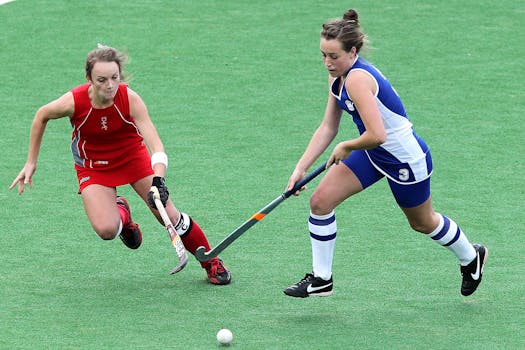
Field hockey is a fast-paced, highly strategic sport where teamwork is essential for victory. While athleticism and skill often take the spotlight, one critical ingredient underpins every successful match: communication. Effective communication on and off the pitch is the backbone of a field hockey team’s performance, facilitating seamless coordination, quick decision-making, and building trust among players. In this article, we’ll explore how to communicate effectively in a field hockey team, why it matters, and the practical steps players and coaches can take to master the art of team communication.
The Crucial Role of Communication in Field Hockey
Unlike many individual sports, field hockey relies on split-second, collective action. A well-timed pass, a call for a defensive shift, or a shout to mark an opponent can mean the difference between conceding a goal and launching a counterattack. According to a 2022 survey by the International Hockey Federation (FIH), 86% of professional coaches ranked communication as one of the top three factors contributing to team success, alongside tactical discipline and fitness.
Effective communication in field hockey goes beyond just shouting instructions. It includes verbal cues, non-verbal signals, pre-agreed code words, and even body language. Teams that communicate clearly and consistently have higher levels of trust and fewer errors. In fact, a study published in the Journal of Sports Behavior found that teams with structured communication routines reduced on-field mistakes by 28% compared to those with ad-hoc or minimal communication.
Key Elements of Effective Team Communication
So, what makes team communication effective? It’s not just about talking—it’s about transmitting the right information, at the right moment, in a way that everyone understands. Here are the essential elements:
1. Clarity: Ambiguous or unclear instructions can lead to confusion. Using short, sharp, and universally understood phrases ensures that messages are received and understood instantly. 2. Consistency: Consistent use of terms and signals prevents misinterpretation. For example, always using “man on!” to warn a teammate of an approaching defender. 3. Timing: Communication must be timely, especially in high-pressure moments. Delayed calls or signals are often useless by the time they’re received. 4. Feedback: Effective communication is two-way. Players should confirm they’ve received a message, such as giving a thumbs-up or repeating the instruction briefly. 5. Emotional Tone: The way a message is delivered—calmly, assertively, or urgently—can affect how it’s received, particularly under pressure.Verbal vs. Non-Verbal Communication: When and How to Use Each
While verbal communication is vital, non-verbal cues are often just as important in the noisy, dynamic environment of a field hockey pitch. Let’s compare the two:
| Aspect | Verbal Communication | Non-Verbal Communication |
|---|---|---|
| Examples | Calling for the ball, issuing tactical instructions, warning about opponents | Hand signals, eye contact, body positioning, stick gestures |
| Advantages | Direct, clear, can convey complex instructions | Silent (can’t be overheard by opponents), useful in loud environments |
| Limitations | May be drowned out by crowd or wind, language barriers | Can be misunderstood if not practiced, limited complexity |
| Best Use | During breaks in play, when immediate clarity is needed | During open play, in high-noise conditions, or to signal subtle tactics |
For example, international teams often develop their own set of hand signals to call for set plays or defensive shifts, minimizing the risk of opponents picking up on their plans. Meanwhile, clear, loud verbal calls are crucial when a defender needs to warn a teammate of a “man on” or when organizing a penalty corner defense.
Building Communication Skills Through Training
Communication on the field doesn’t happen by accident—it’s a skill that must be developed and practiced like any other aspect of the game. Here are specific ways teams can enhance their communication:
1. Communication Drills: Coaches can design drills that require players to call out passes, positions, or instructions before executing a play. For example, “pass and shout”—where a player must call the recipient’s name before passing—reinforces vocal communication. 2. Scenario-Based Practice: Simulating match scenarios where communication is critical (such as defending a penalty corner or launching a counterattack) helps players practice under realistic pressure. 3. Role Assignments: Assigning specific communication roles, such as a defensive organizer who calls out marks and shifts, ensures accountability. 4. Reviewing Game Footage: Watching videos of matches and analyzing communication breakdowns or successes can help teams identify areas for improvement. 5. Team Meetings and Debriefs: Regular discussions about communication strategies, both successful and unsuccessful, foster an environment of continuous learning.One notable example comes from the Australian national women’s field hockey team, which implemented weekly communication workshops. Over a season, they reported a 19% improvement in successful set play execution and a significant reduction in defensive errors.
The Coach’s Role in Fostering Effective Communication
Coaches play a pivotal role in setting the tone for team communication. Their responsibilities include:
- Establishing Communication Protocols: Coaches should set clear expectations for how and when players should communicate, including agreed-upon terminology, signals, and routines. - Leading by Example: Demonstrating effective communication in training sessions and during matches reinforces its importance. - Encouraging Openness: Coaches should foster a culture where players feel comfortable speaking up, asking questions, or suggesting tactical adjustments. - Providing Feedback: Constructive feedback on both successful and unsuccessful communication helps players grow.A study by UK Coaching found that teams with coaches who prioritized communication saw a 15% increase in player retention and satisfaction rates.
Overcoming Common Communication Barriers in Field Hockey
Even the best teams face communication challenges. Here are some frequent barriers and how to address them:
1. Language Differences: In diverse teams, language barriers can hamper understanding. Using universal hand signals and simplifying verbal commands can help bridge the gap. 2. Nerves and Pressure: High-stakes moments can cause players to clam up. Practicing communication under pressure and encouraging supportive, positive language can alleviate this. 3. Environmental Noise: Crowds, weather, and other matches can make it hard to hear. Developing louder calls, distinctive signals, and practicing non-verbal cues ensures messages get through. 4. Hierarchical Issues: Sometimes, less experienced players hesitate to speak up. Coaches should create an inclusive environment where every player’s input is valued.A real-world example is the 2023 EuroHockey Championships, where the Dutch men’s team introduced a colored wristband system to indicate tactical shifts non-verbally during noisy matches. This innovation contributed to their successful defensive record, conceding just 6 goals in 7 matches.
How Effective Communication Translates to On-Field Success
The benefits of strong communication extend far beyond fewer errors. Let’s look at how it directly impacts team success:
- Improved Tactical Execution: Teams that communicate well can adapt strategies rapidly, reading the game and responding to opponents’ moves. - Enhanced Team Morale: Players who feel heard and understood are more confident, motivated, and cohesive. - Faster Decision-Making: Quick, clear calls reduce hesitation and enable fast-paced, fluid play. - Fewer Injuries: Immediate warning calls (“left shoulder!” or “watch the stick!”) help prevent dangerous collisions or fouls.According to FIH performance data, teams with above-average communication scores (assessed by independent analysts) were 23% more likely to win matches during the 2022 World Cup compared to teams with below-average scores.
Final Thoughts: Making Communication Your Team’s Secret Weapon
In field hockey, technical skill and athleticism will always be vital, but the teams that consistently reach the podium are those that communicate clearly, confidently, and consistently. Effective communication is the glue that binds strategy, skill, and spirit into a unified force on the field. By investing in communication skills—through structured training, clear protocols, and a supportive culture—any field hockey team can unlock higher performance, stronger bonds, and a greater chance of success.