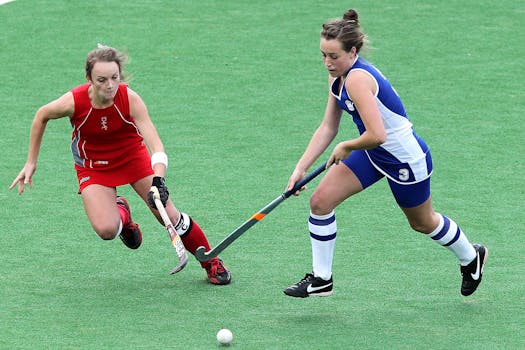
Field hockey is a sport where skill, teamwork, and tactics take center stage, but one crucial factor often overlooked is the weather. Whether it’s a blazing summer day, a downpour, or a chilly winter morning, environmental conditions have a profound effect on how the game is played, how players perform, and even how the ball behaves on the pitch. Understanding the impact of weather on field hockey performance can help players, coaches, and teams better prepare, adapt, and thrive in any condition. This article explores how various weather scenarios influence field hockey and provides actionable strategies to prepare for each, ensuring peak performance whatever the forecast.
The Science Behind Weather’s Influence on Field Hockey
Weather doesn’t just affect comfort—it changes the game itself. Field hockey is played on both natural grass and artificial turf, and each surface responds differently to weather elements. For example, research by the International Hockey Federation (FIH) shows that wet artificial pitches increase ball speed by up to 20% compared to dry surfaces, impacting passing accuracy and game tempo.
Temperature swings can affect both physiological performance and equipment. On hot days, dehydration and heat stress can reduce player endurance, while cold weather may cause stiff muscles and slower reaction times. Wind can alter aerial ball trajectories and make communication on the field more difficult. Rain and humidity can transform the pitch, making it slick and unpredictable. Understanding these scientific effects is the first step in developing effective preparation strategies.

How Different Weather Conditions Change the Game
Let’s break down the impact of specific weather conditions on field hockey performance:
Hot and Humid Weather: - Players lose up to 2 liters of fluid per hour in high temperatures through sweat, risking dehydration and heat exhaustion. - Fatigue sets in more quickly, affecting focus and reaction times. - The ball may bounce higher and travel faster on dry, hot turf, changing passing dynamics. Cold and Wet Weather: - Cold air can stiffen muscles, increasing injury risk and reducing flexibility. - Wet pitches slow down the ball, demanding more power and precision in passes. - Rain can make sticks and gloves slippery, challenging stick control. Windy Conditions: - Strong winds exceed 20 km/h in some matches, affecting aerial passes and penalty corners. - Communication is hampered, making team coordination harder. - Ball trajectories become unpredictable, especially for lifted passes. Extreme Weather: - Severe weather, such as thunderstorms or extreme heat (over 35°C), may lead to match delays or cancellations due to safety concerns.Here’s a comparative overview of common weather impacts on field hockey:
| Weather Condition | Main Pitch Effect | Player Impact | Ball Behavior |
|---|---|---|---|
| Hot & Dry | Faster, harder surface | Dehydration, fatigue | Faster, higher bounces |
| Wet & Rainy | Slippery, slower surface | Cold muscles, grip issues | Slower, unpredictable rolls |
| Cold | Stiff, sometimes icy | Reduced flexibility, risk of injury | Erratic, less consistent bounce |
| Windy | Debris on field | Communication challenges | Unstable aerial passes |
Physical and Mental Strategies for Weather Preparation
Preparation is key to minimizing the negative effects of weather on field hockey performance. Here are some practical strategies for both the body and mind:
Hydration and Nutrition: - In hot and humid weather, players should aim for at least 500 ml of water every 30 minutes during games and training, supplemented with electrolyte drinks. - Pre-match meals should be adjusted according to weather; for example, lighter meals in the heat to avoid sluggishness. Tailored Warm-Ups and Cool-Downs: - Warm-ups should last longer in cold weather (at least 20 minutes) to reduce the risk of muscle strains. - In hot weather, incorporate dynamic stretching and frequent hydration breaks during warm-up. Mental Adaptation: - Visualization techniques can help players mentally rehearse playing in tough conditions, reducing anxiety and improving focus. - Teams that regularly practice in variable weather report higher confidence and adaptability during actual matches, according to a 2023 European Hockey Federation survey. Layered Clothing and Gear Adjustments: - In cold or rainy weather, moisture-wicking base layers and waterproof outerwear help maintain body temperature. - Anti-slip gloves and stick tape improve grip in wet conditions.Adapting Tactics and Team Play for Weather Variations
Strategic adjustments are essential when weather disrupts normal play. Coaches and teams that prepare alternative game plans can exploit weather-induced changes to their advantage.
Adjusting Passing and Movement: - On wet or slow pitches, short passes and close support play are more effective than long through balls. - In windy conditions, keep the ball on the ground to reduce unpredictability. Defensive Organization: - Defensive lines should remain compact in slippery conditions to prevent fast breaks due to unexpected ball movement. - Goalkeepers may need to anticipate more rebounds or deflections on wet or icy pitches. Communication and Leadership: - Use hand signals or pre-arranged calls to maintain effective team coordination in windy or noisy settings. - Designate a field leader to keep morale high and ensure everyone sticks to the adapted plan. Substitution Patterns: - Make quicker substitutions in extreme heat to prevent player fatigue and reduce injury risk. - Allow extra time for players to warm up before entering in cold conditions.Equipment and Pitch Maintenance: Staying Ahead of the Weather
Weather doesn’t just affect players; it impacts equipment and playing surfaces too. Proactive maintenance and preparation can reduce surprises on game day.
Pitch Care: - Artificial turf pitches require regular watering in hot weather to maintain optimal ball speed and reduce injury risk. According to the FIH, a well-watered pitch can decrease surface temperature by up to 15°C. - In cold weather, clear pitches of ice, frost, or debris before play. Delays are common if the pitch is unsafe. Equipment Choices: - Opt for brightly colored balls in low-visibility weather such as fog or rain. - Ensure shoes have appropriate grip patterns for the expected conditions—metal cleats for wet grass, turf shoes for artificial surfaces. Player Kit: - Carry spare socks, gloves, and shirts to change out of wet gear at halftime. - Use waterproof stick bags and covers for personal equipment.Case Studies: Weather Challenges in Professional Field Hockey
Field hockey’s global reach—from the deserts of Australia to the rainy fields of the UK—means teams constantly face unique weather hurdles.
The 2018 Women’s Hockey World Cup in London saw several matches played in rain and wind, forcing teams to adapt with shorter passing sequences and more defensive play. The Netherlands, who won the tournament, credited their preparation in similar weather during training for their adaptability.
Another example comes from the Indian Hockey League, where summer temperatures can exceed 40°C. Matches are scheduled in the evening, hydration breaks are mandated, and teams rotate players more frequently to maintain performance.
According to a 2021 FIH report, teams that actively train in variable weather conditions have a 15% higher win rate in international matches played under adverse weather compared to those who don’t. This demonstrates that preparation and adaptability are as important as technical skill.
Final Thoughts on Weather’s Role in Field Hockey Performance
Weather is an uncontrollable element, but its impact on field hockey performance is anything but random. By understanding how temperature, rain, wind, and pitch conditions affect the game, teams and players can adopt proactive strategies to minimize risks and maximize performance. From adjusting hydration and warm-up routines to adapting tactics and maintaining equipment, the key lies in preparation and flexibility. As the sport continues to grow globally, those who master the art of weather adaptation will have a clear competitive edge—rain or shine.